
Building in uncertain times: how the construction industry is adapting to global volatility
5 minutes read time
5 minutes read time
The PD is more than a box-ticker for CDM compliance. Their role is to embed risk management into the creative process, influencing how buildings and infrastructure are conceived, detailed and delivered. Early engagement is vital. When designers and clients involve the PD at concept stage, hazards can be designed out rather than managed later through costly controls on site.
In practice, the PD’s effectiveness can be limited by unclear appointments, fragmented design teams, or late involvement. Many organisations still treat the PD as an external auditor rather than a collaborative partner. This often leads to reactive risk management and missed opportunities to improve buildability, maintenance safety, and lifecycle performance.
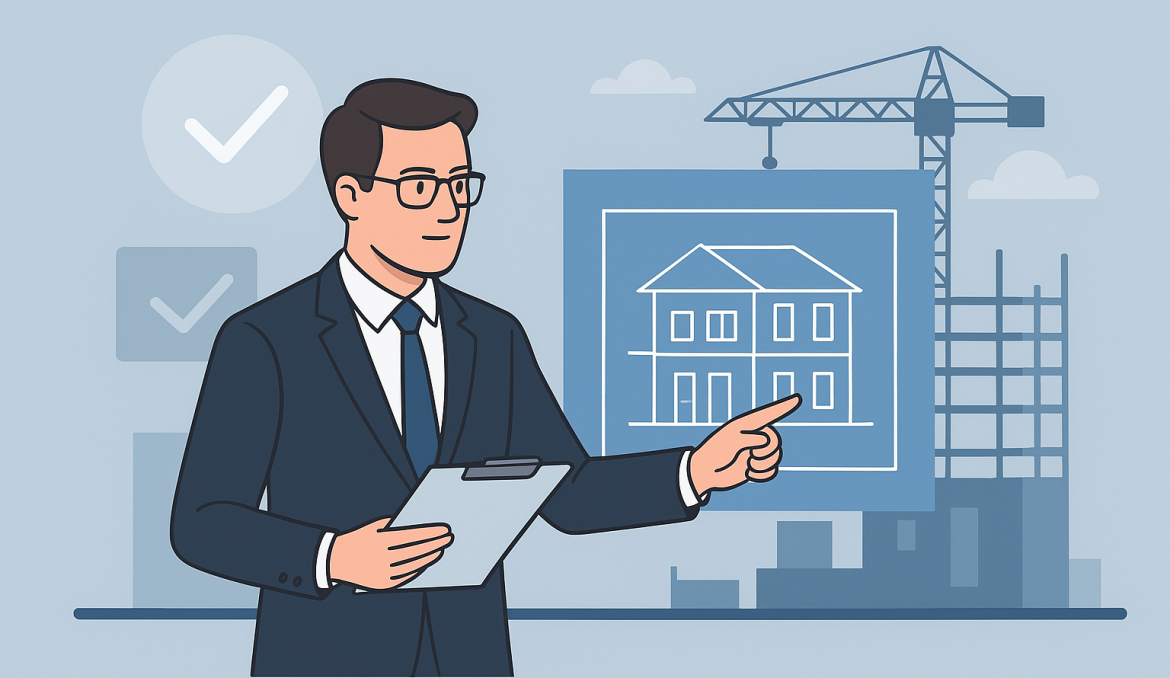
The most successful projects are those where PD duties are integrated into the wider design management function. Digital tools like BIM make it possible to visualise, track, and communicate design risks across disciplines. By linking CDM duties with information management, PDs can add measurable value and help teams make informed decisions that balance safety, cost and sustainability.
As the industry faces increasing scrutiny over building safety and competency, the PD’s role is evolving once again. The Building Safety Act has expanded expectations around design accountability, especially in higher-risk buildings. Principal Designers must now demonstrate technical competence, design influence, and leadership in coordinating safety-critical information.
The Principal Designer is not simply a statutory appointment; they are a strategic role at the intersection of design quality and health and safety. As clients, architects, and engineers adapt to new regulatory landscapes, the projects that will thrive are those where CDM principles are seen not as a burden, but as a blueprint for better design.
If you’re interested in advancing your career within this evolving landscape, we’d be delighted to hear from you. Whether you’re an experienced Principal Designer or looking to step into a role that blends design leadership with safety excellence, we offer opportunities to grow, lead, and make a meaningful impact. Contact us to explore current job openings and discover how you can be part of shaping safer, better-designed projects.
By Alexander Harcombe.
5 minutes read time

5 minutes read time